
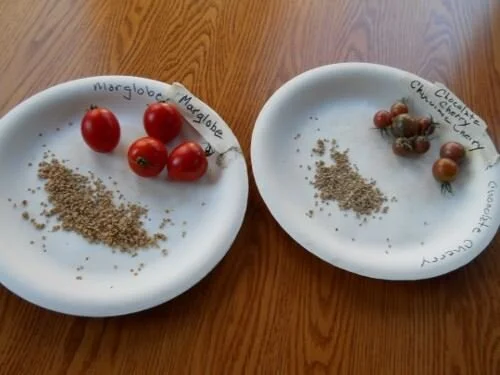

One of nature’s key strategies to respond to environmental change is maintaining the genetic diversity of the ecosystem. Unfortunately, the trends are toward decreasing genetic diversity while the risk of climate change is increasing. Whether or not our industrial system is the cause of climate change we will have serious problems if our food system is unable to adapt to those changes.
Two things all of us can do to increase genetic diversity are
and
2) stop tilling.
Both of those choices will increase the amount of carbon tied up in the soils potentially reducing the rate of climate change and both choices will increase the number of species participating in our gardens. In addition, we can start saving seeds that are adapted to our conditions and begin breeding domestic animals adapted to our conditions. That way appropriate genetic variations will be available as the climate of other places begin to look more like our own. Hopefully, someone else will be doing the same for us.
Genetic Diversity
If you want to make money in agriculture you must discover something patentable and convince the rest of us that buying from you is better than just doing it the old way. Since that is were the money is, the option of buying seeds and breeding stock is the option that gets advertised and that advertising has been highly successful. The problem is that hybrid seeds and breeding strictly for production reduces genetic diversity in the system. That makes the system vulnerable to things like new plant diseases, pesticide resistance in pest species and a changing climate.
Our society as a whole is better off if we understand the value of genetic diversity. Adapting to climate change will require it. Genetic diversity means that each element of the system has multiple ways to respond to any given change. Hopefully, some of those responses will be successful . . . or that element goes extinct. Genetic diversity is what makes the system resilient. The money you don’t spend buying hybrid seeds and specially bred animals is money you can invest in helping nature select the best variations of crops and livestock for our conditions.
(This article was published in Mother Earth News, in 2014)
Seed Saving
Line breeding and seed saving is a long term way of shaping plants so they become better suited to your specific place over time. You start with a diverse population of the same crop, giving yourself a wide range of genetics and expressions to work with.
Each season, you observe carefully and save seed only from the plants that show the traits you actually want, such as vigor, flavor, drought tolerance, disease resistance, or timing that matches your climate.
You then replant that selected seed and repeat the process over multiple generations, allowing those traits to gradually become more common in the population.
A key principle is to avoid narrowing the genetics too quickly, because overly tight selection can reduce resilience and make the crop fragile in changing conditions. Instead, you keep enough diversity in each cycle so the population remains adaptable.
Over time, the plants begin to reflect your local environment, effectively learning your soil, climate, and care style through repeated selection.